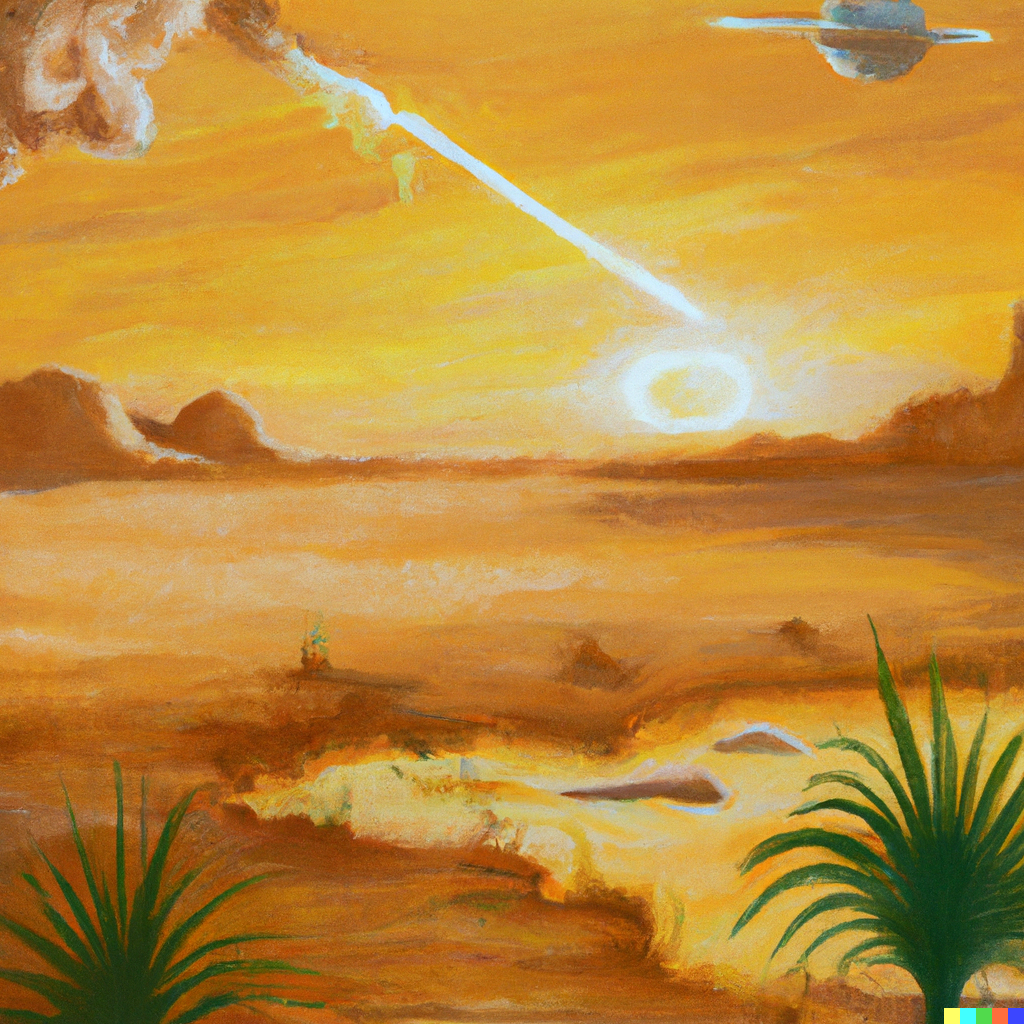
In recent years, artificial intelligence has been making significant strides in the field of art. AI has been used to generate paintings, sculptures, and even music. One area where AI has made significant progress is in the generation of images, and one particular AI photo generator that has been making waves is DALL-E.
DALL-E is an AI photo generator that was developed by OpenAI, a research organization dedicated to developing AI technologies. DALL-E is capable of generating high-quality images from textual descriptions. For example, if you were to give DALL-E a description of a “red panda sitting on a tree branch eating a bamboo shoot,” it would generate a high-quality image of that description.
The technology behind DALL-E is based on a type of AI called a generative adversarial network (GAN). GANs work by pitting two neural networks against each other. One network, known as the generator, creates fake images, while the other network, known as the discriminator, tries to determine if the images are real or fake. The two networks are trained together until the generator is capable of creating images that are indistinguishable from real images.
The potential applications for DALL-E are vast and varied. For example, it could be used to create images for advertising or marketing campaigns. It could also be used to create images for video games or movies. Additionally, it could be used to create images for scientific research or medical imaging.
One area where DALL-E has been making significant strides is in the world of art. AI-generated art is a relatively new field, but it is gaining popularity among artists and art enthusiasts alike. AI-generated art can take many forms, from abstract compositions to photorealistic images.
One of the benefits of using AI to create art is that it can generate images that are unlike anything that a human artist could create. AI can create images that are highly detailed and precise, with a level of complexity that is difficult for humans to achieve. Additionally, AI can generate images quickly and efficiently, making it a valuable tool for artists who need to create large volumes of work.
However, there are also concerns about the use of AI in art. Some critics argue that AI-generated art lacks the emotion and creativity of human-generated art. They argue that art should be an expression of the human experience, and that AI-generated art is inherently lacking in that regard.
There are also concerns about the impact of AI-generated art on the art market. Some experts predict that AI-generated art could disrupt the traditional art market, making it more difficult for human artists to make a living from their work.
Despite these concerns, AI-generated art is quickly gaining popularity. There have been numerous exhibitions and shows featuring AI-generated art, and some pieces have even sold for significant sums of money.
For our blog, the use of DALL-E has been a game-changer. As a blogger who writes from home, we don’t have access to expensive equipment or professional photography skills. DALL-E allows us to incorporate high-quality images into our articles that are visually stunning and relevant to our content.
Furthermore, the use of AI art in our blog is a natural extension of the technology we write about. We discuss the ways in which AI is changing various industries, and the use of AI-generated images in our blog is a practical way to demonstrate the power and potential of this technology.
So welcome to Virtuality Bytes!
 Virtuality Bytes
Leave a comment